
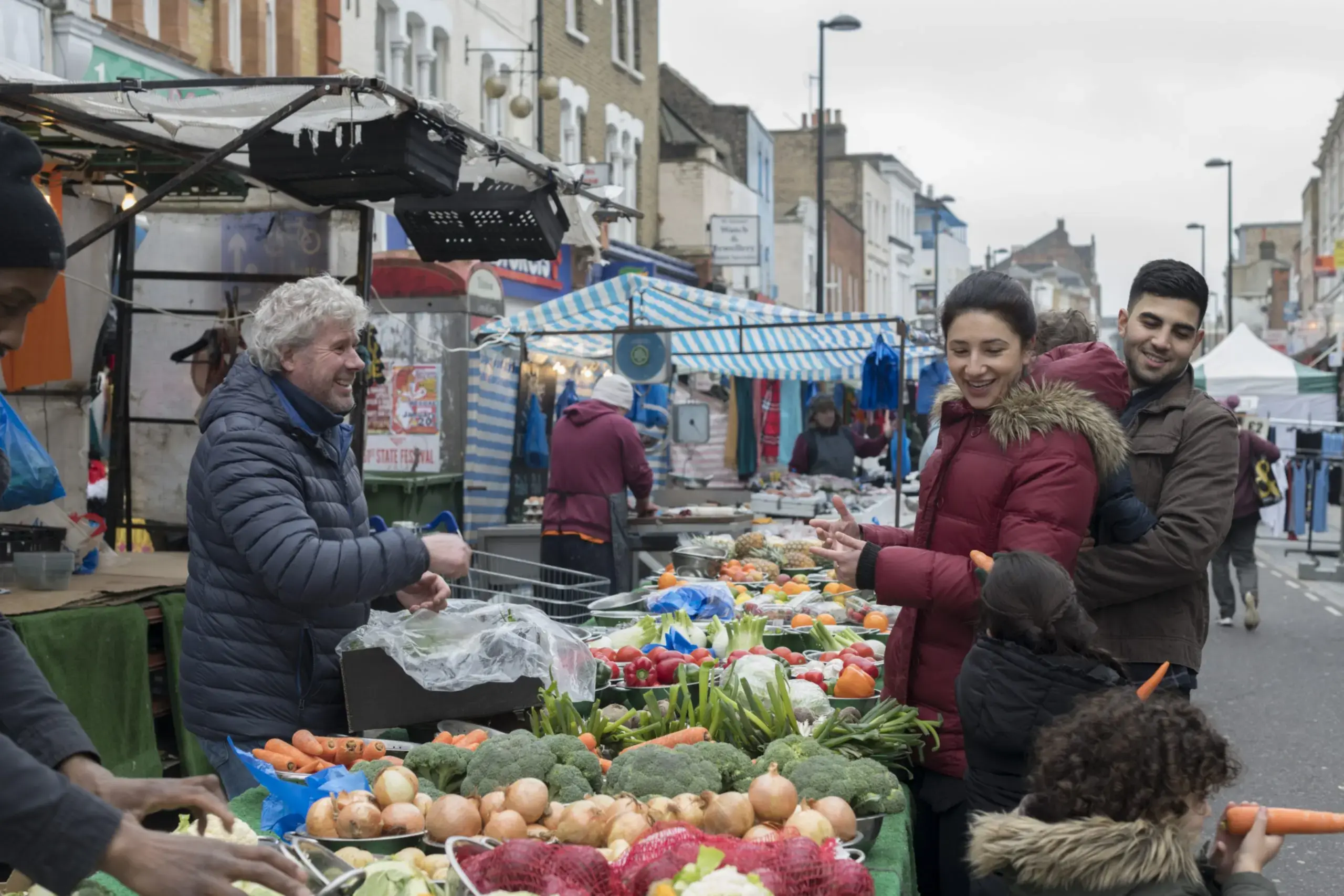
Here are the answers to some of the most common questions Refugee Action gets asked about refugees and people seeking asylum, and what they experience here in the UK.
Want the real facts about refugees?
What does the term “refugee” mean?
The definition of a refugee is someone who: ‘owing to a well-founded fear of being persecuted for reasons of race, religion, nationality, membership of a particular social group, or political opinion, is outside the country of his nationality, and is unable to or, owing to such fear, is unwilling to avail himself of the protection of that country’ (Article 1, 1951 Convention Relating to the Status of Refugees).
What does the term “asylum seeker” mean?
‘Asylum seeker’ is a label used by government officials and others for people who are yet to be formally granted refugee status. This does not mean that they are not refugees, but that their status as such has not yet been recognised by the government.
This is often because they are awaiting a decision on their asylum application. In the UK, until they receive a decision on their application a person seeking asylum does not have the same rights as someone granted refugee status, or a British citizen.
For example, people seeking asylum aren’t allowed to work. The right to seek asylum is a legal right we all share. It isn’t illegal to seek asylum, because seeking asylum is a legal process. It also isn’t illegal to have been refused asylum – it just means that the government refused a person’s application for refugee status on that occasion; many people who are initially refused will ultimately be granted asylum after appealing the decision.
61.5%
61.5% of all people seeking asylum wait longer than six months for a decision
£7
Banned from working, vulnerable families struggle to survive on just £7 a day
49%
Just under half of people are granted refugee status on appeal
Do people have to claim asylum in the first safe country they reach?
No. The 1951 Refugee Convention does not require a person to claim asylum in the first safe country they reach. People trying to cross the Channel can legitimately claim asylum in the UK if they reach it.
Why do people cross the channel in boats?
There are very few safe and legal ways to claim asylum in the UK. The UK Government used to resettle thousands of refugees a year, but those schemes have been stopped. There were more tragedies in the channel in 2024 than any other year, because UK policies leave people with no choice but to come to the UK through irregular routes, like on small boats, and risk their lives doing so.
Every person has the right to claim asylum in a different country. If we want people to stop making dangerous journeys across the channel, we need to restore the refugee resettlement programmes that have been so successful in the past. The only way to stop people from risking their lives on small boats is by offering safe routes for people seeking safety.
Stories of desperate people crossing the English Channel to reach the UK often dominate news and social media. Of course we do not know the experiences, backgrounds and personal stories of every person trying to arrive in this way. But it is clear that many of them intend to claim asylum here.
Before all of the debate about borders, safe countries, security and economics begins, we must start from a place of humanity. The people who are the subject of these debates are desperate, they have been through hell, and seeking asylum is a fundamental human right.
IN THE FIRST QUARTER OF 2025
124,802
people
were waiting for an initial asylum decision, with 73,866 waiting over six months—blocking them from finding employment
£280
million
If half of those waiting over six months were allowed to work, the UK economy would benefit by £280 million from tax and national insurance contributions
38,079
people seeking asylum
were living in hotels, despite preelection pledges to phase them out
64%
Out of 20 most common nationalities of people applying for asylum in the UK, 64% come from countries with colonial links to Britain or those historically affected by UK driven resource extraction and conflict
9
out of the top 10
All 20 most common countries of origin for people seeking asylum in the UK are impacted by climate change, with 9 out of the top 10 severely affected.
Are there many refugees and people seeking asylum in the UK?
No. According to UNHCR statistics, Less than 1% of of the UK’s total population is a refugee or seeking asylum.

Which countries help the most refugees?
The vast majority of refugees globally – four out of every five – stay in their region of displacement, and consequently are hosted by developing countries. Iran now hosts the highest number of refugees with 3.5 million, followed by Turkey with 2.9 million.
Worldwide, roughly 73% of all refugees live in developing regions , not in wealthy industrialised countries, and 67% of refugees displaced abroad live in countries neighbouring their countries of origin.
Does the UK resettle a large number of refugees through its settlement schemes?
No. The number of refugees resettled by the UK Government has decreased enormously over the last few years. Only 1,492 people were resettled through resettlement schemes between June 2023 – June 2024. This makes the likelihood of someone being resettled in the UK very unlikely, meaning people seeking safety are forced to travel to the UK through unsafe routes, like on small boats.
Can people seeking asylum work in the UK or claim benefits?
The government does provide asylum accommodation for people seeking asylum, but this is often single hotel rooms, or unsuitable housing infested with mould and rodents.
People seeking asylum can apply for asylum support, which is £7.02 a day for most people. This barely enough for a return bus journey or ingredients for a single nutritious meal. While people wait to hear back on their asylum claim, they are not permitted to work. Many of the people we work with have been in the asylum system for years, sometimes over a decade. This leaves people in a cycle of poverty, living on only £7 a day and unable to earn an income.
What happens to someone when they get refugee status?
When a person is given refugee status, they have just 28 days to find accommodation and apply for mainstream benefits before they are evicted from asylum accommodation. Many refugees become homeless at this stage. This is a huge upheaval and causes many complex ongoing issues – especially as so many have been in the asylum system for months or even years.
Why do people still need help after coming to the UK?
It’s understandable to think that once someone seeking safety reaches the UK, their journey to safety is over. However, regardless of how they arrive, people who come to the UK seeking safety face a number of issues.
Living on £7 a day and banned from working means that people are left living in poverty. Unsuitable asylum housing leaves people sick and struggling with their mental health, and the eviction notices to people who are granted refugee status means that they face homelessness if they cannot find a new home within 58 days. The hostile environment and racist rhetoric whipped up by the media and politicians threatens the safety of people seeking safety, which we saw with the racist riots in July 2024 and July 2025.
Poverty
Banned from working, people seeking asylum are forced to live below the poverty line
Waiting
People are often left to wait for months or years for a decision on their claim
Hatred
We work with people who suffer horrific violence, attacks and racist abuse
Isolation
Lack of access to English language lessons leaves many unable to integrate
Destitution
Many people seeking safety are forced into housing that is crowded, damp and unsafe
How does Refugee Action help?
- At Refugee Action, we’ve been standing up for refugees since 1981. We deliver frontline services for people hope to find safety in the UK, and we campaign for refugees’ rights. Our community of caseworkers provide everything from immigration advice, help finding housing, financial and employment support and therapeutic and wellbeing services.
- Our campaigns team holds the government to account, fighting against the hostility and racism directed towards refugees. We campaign on lifting the ban on people seeking asylum being able to work, on ending the racist rhetoric directed towards refugees, and on providing people seeking safety with decent housing.
- We want to build a future where every refugee and person seeking safety can thrive as part of a welcoming and anti-racist society. Want to join us? Find out more about how you can get involved below.
"Since 1981, we’ve been fighting to make sure that the UK shows refugees and people seeking asylum the best of humanity. We support survivors of violence, disaster and persecution to uphold their human rights and live free from poverty. But we can't do it alone. Want to get involved?"
Want to get involved?
WHAT DO YOU ACTUALLY KNOW ABOUT REFUGEES?
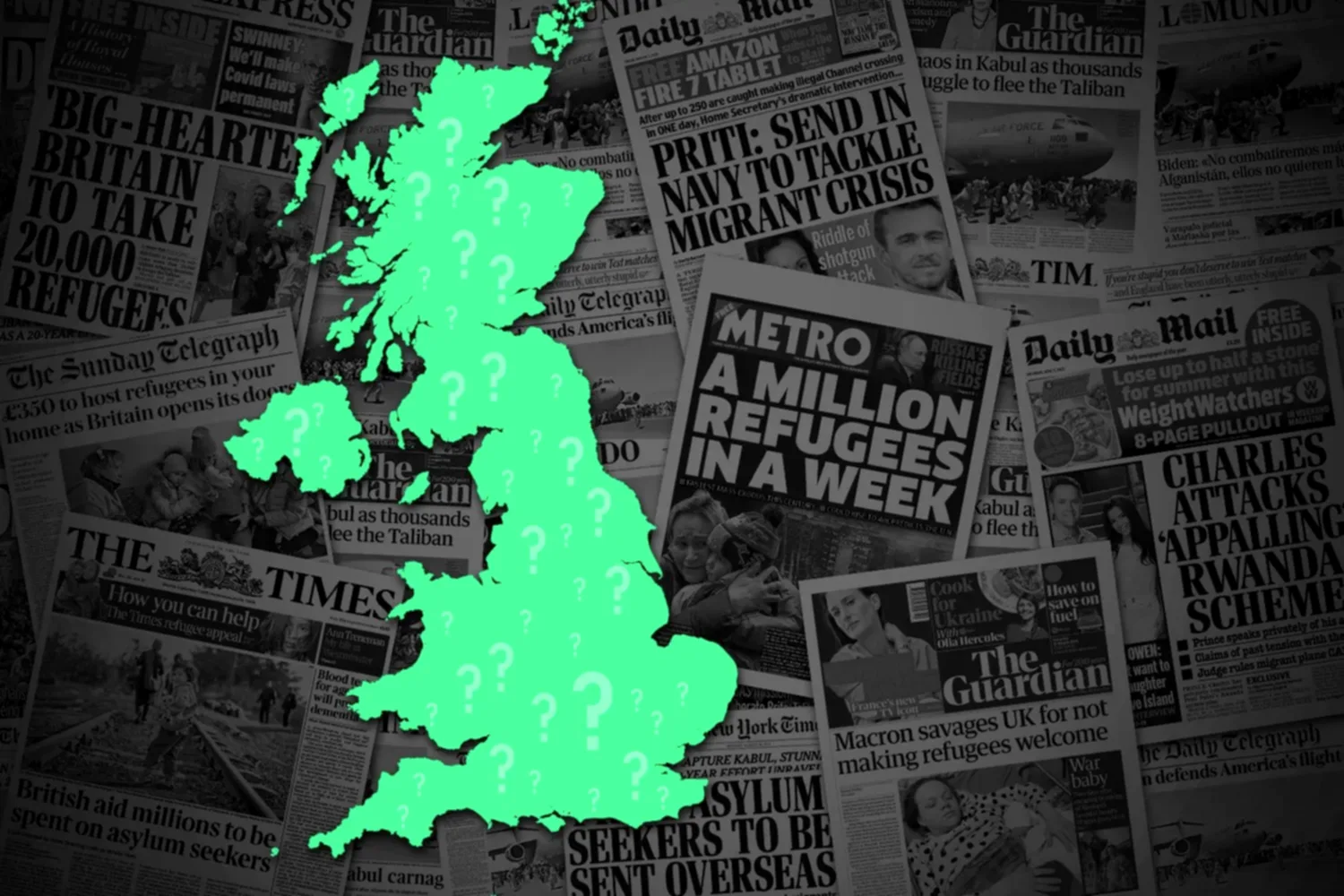
Politicians and the media have a considerable amount to say about refugees and those seeking asylum in the UK.
You’ve probably heard from different sources about people fleeing political violence, crossing the Channel in small boats or even being deported to Rwanda.
But what do you actually know? Take this quiz to find out.